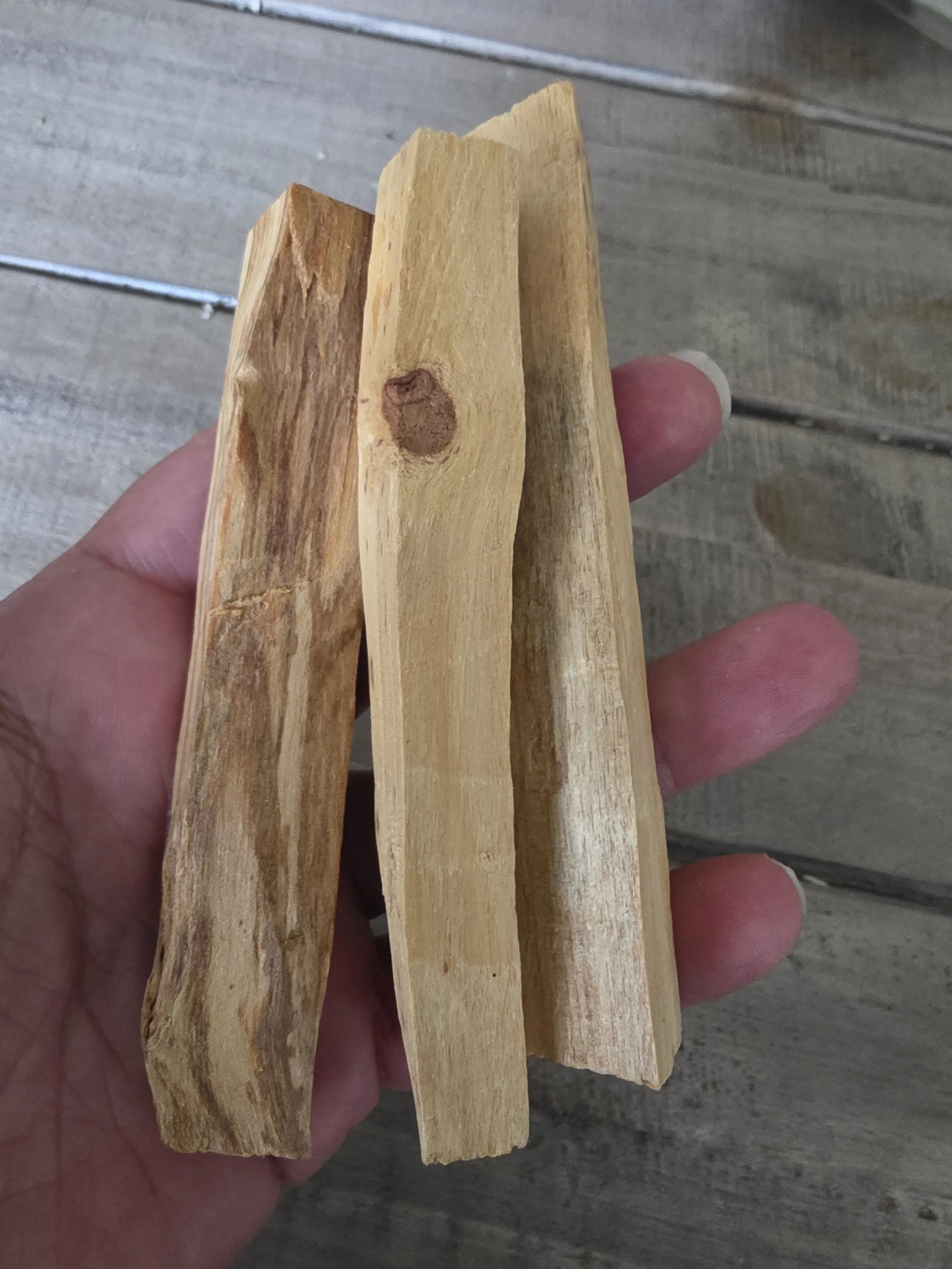
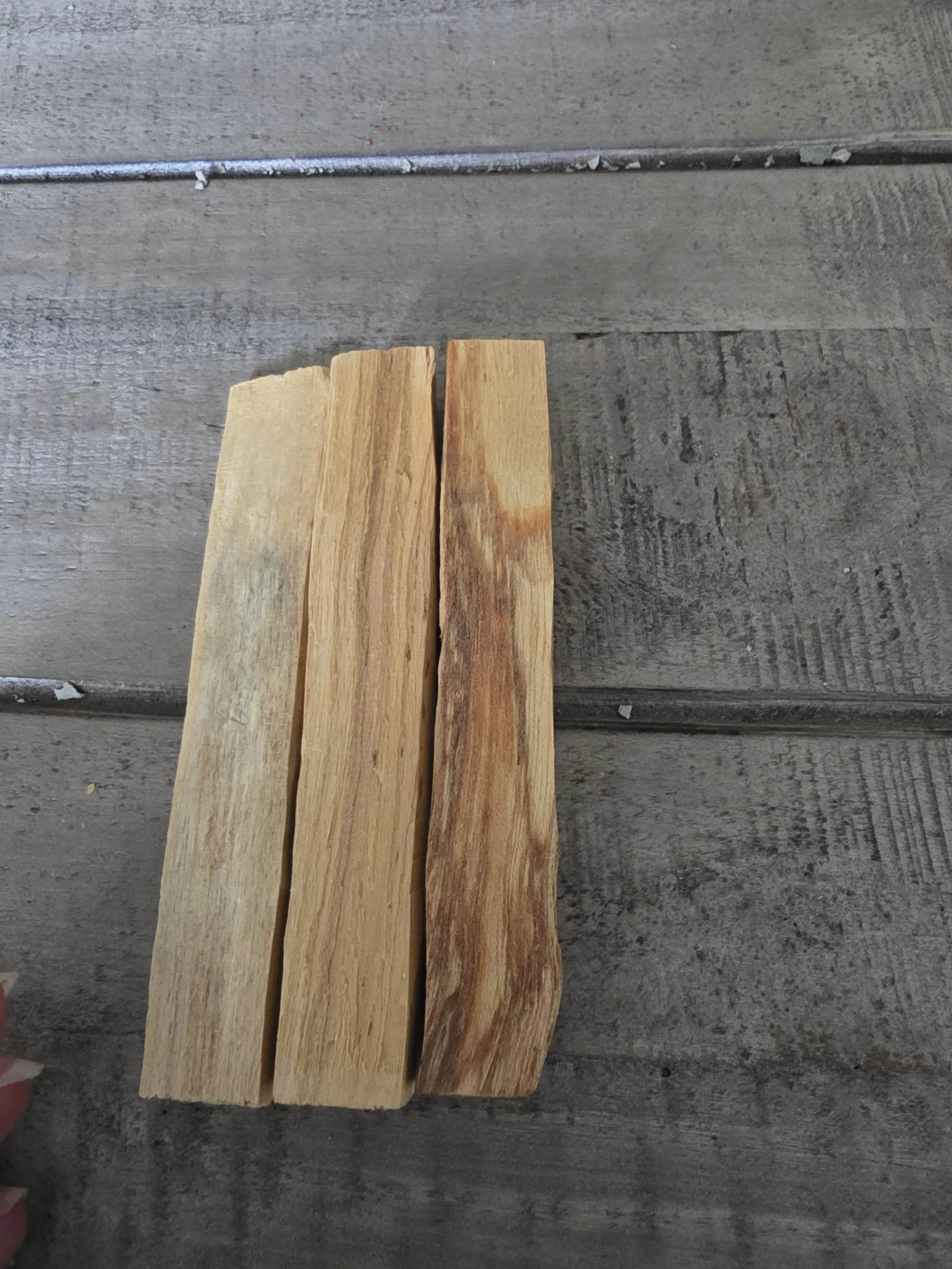
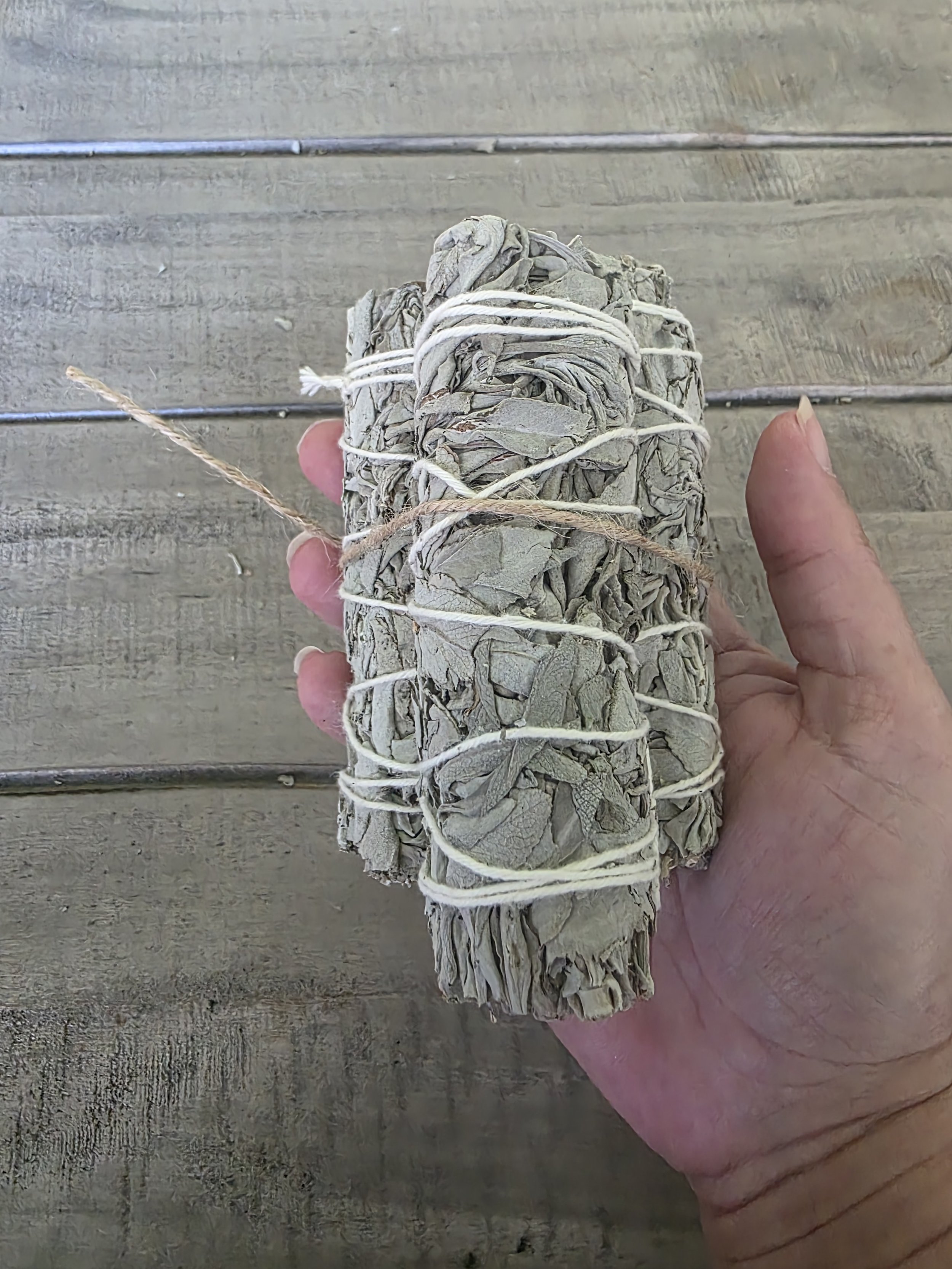
 Image 1 of 3
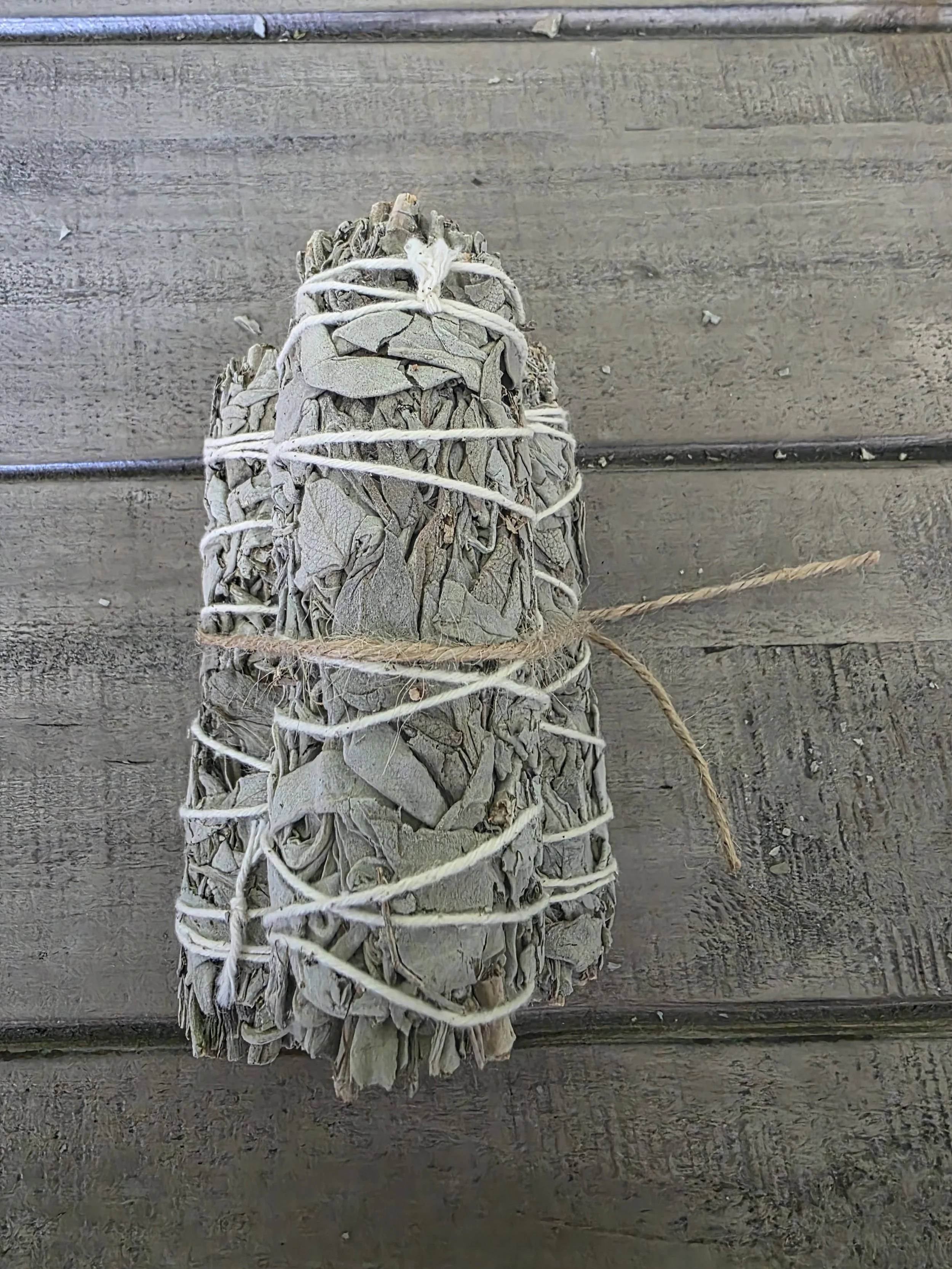 Image 2 of 3
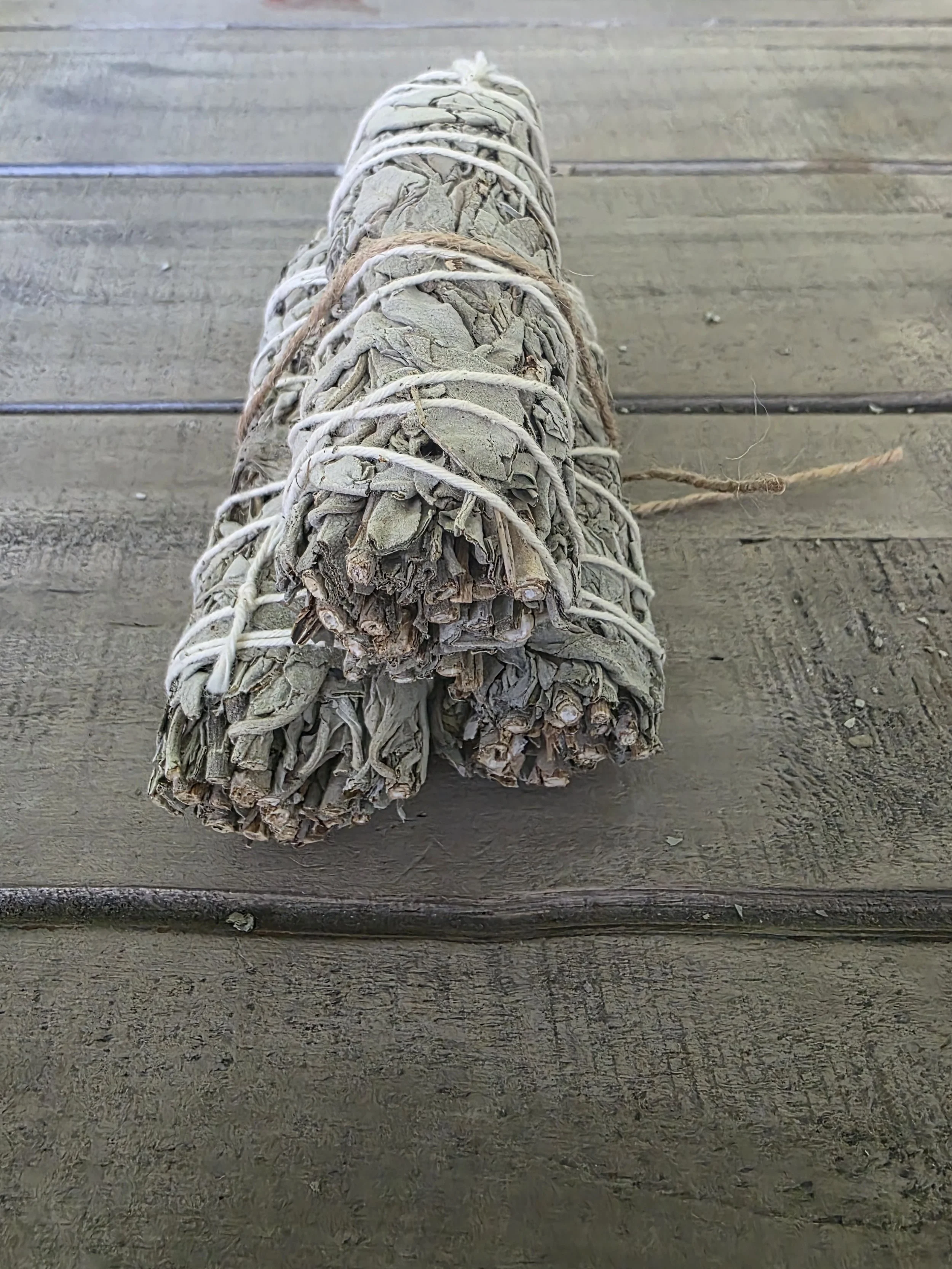 Image 3 of 3
White Sage Properties
White sage (Salvia apiana) is a perennial shrub native to the southwestern United States and northwestern Mexico. Known for its silvery-gray leaves and strong, aromatic scent, it’s culturally significant, ecologically important, and used in a variety of practical ways. Below is a concise overview of its key properties.
Botanical and physical properties
Appearance: Woody-stemmed shrub reaching 3–5 feet tall. Leaves are oblong, soft, covered in fine hairs, and have a distinctive pale-silver to gray-green color.
Flowers: Tall flower spikes with tubular white to pale lavender blooms, typically appearing in spring to early summer.
Growth habit: Drought-tolerant, adapted to arid and semi-arid climates, often found on dry slopes and coastal scrub habitats.
Lifespan: Long-lived perennial when growing conditions are suitable.
Chemical properties and aroma
Essential oils: Contains compounds such as cineole (eucalyptol), camphor, thujone (in varying, generally low amounts), borneol
White Sage Properties
White sage (Salvia apiana) is a perennial shrub native to the southwestern United States and northwestern Mexico. Known for its silvery-gray leaves and strong, aromatic scent, it’s culturally significant, ecologically important, and used in a variety of practical ways. Below is a concise overview of its key properties.
Botanical and physical properties
Appearance: Woody-stemmed shrub reaching 3–5 feet tall. Leaves are oblong, soft, covered in fine hairs, and have a distinctive pale-silver to gray-green color.
Flowers: Tall flower spikes with tubular white to pale lavender blooms, typically appearing in spring to early summer.
Growth habit: Drought-tolerant, adapted to arid and semi-arid climates, often found on dry slopes and coastal scrub habitats.
Lifespan: Long-lived perennial when growing conditions are suitable.
Chemical properties and aroma
Essential oils: Contains compounds such as cineole (eucalyptol), camphor, thujone (in varying, generally low amounts), borneol